Print Your Own Pillow Covers and Curtains with Stamp Motifs
Bring printmaking into your living room with approachable DIY textiles. We dive into printing pillow covers and curtains using hand-carved stamps and clever ready-made blocks. From choosing fabrics and inks to aligning repeats, setting color, and curing for washability, you will gain confidence to transform everyday cloth. Share your experiments, ask questions in the comments, and subscribe for new pattern ideas and helpful troubleshooting tips every week.

Materials and Tools That Make Prints Pop

Design Planning for Cohesive Rooms
Motif Scale: Balancing Pillow Surfaces and Curtain Panels

Scale dictates clarity. A two-inch repeat feels intricate on a cushion but becomes busy across wide drapery drops. Conversely, oversized botanical silhouettes can overwhelm small squares yet breathe beautifully on tall panels. Print test strips, step back six feet, adjust size until contours remain legible and pleasing from multiple vantage points.

Color Stories That Travel Across a Sofa to a Window

Scale dictates clarity. A two-inch repeat feels intricate on a cushion but becomes busy across wide drapery drops. Conversely, oversized botanical silhouettes can overwhelm small squares yet breathe beautifully on tall panels. Print test strips, step back six feet, adjust size until contours remain legible and pleasing from multiple vantage points.

Repeats, Borders, and Negative Space

Scale dictates clarity. A two-inch repeat feels intricate on a cushion but becomes busy across wide drapery drops. Conversely, oversized botanical silhouettes can overwhelm small squares yet breathe beautifully on tall panels. Print test strips, step back six feet, adjust size until contours remain legible and pleasing from multiple vantage points.

Carving Confidently for Custom Motifs

Turning sketches into stamps welcomes delightful imperfections that feel human and warm. Begin with pencil thumbnails, simplify shapes into clear silhouettes, and define positive versus negative areas. Transfer with tracing paper or freezer paper, then carve away non-printing sections patiently. Test frequently, refining edges until the image reads instantly even at oblique angles.

01

Sketch to Stamp: Translating Ideas into Clean Lines

Start with three tiny sketches exploring contour, fill, and texture. Convert detail into bold shapes using thick outlines and selective hatching that will hold ink. Mirror text intentionally. When tracing, maintain consistent stroke weight so pressure translates evenly, ensuring visible contrast on both dense twill and airy sheers.

02

Linoleum, Rubber, Potatoes: What to Carve and Why

Soft carving rubber gives clean edges with minimal crumble, forgiving for curves and delicate lines. Linoleum rewards confident cuts and durable prints during long runs. For playful workshops, potatoes or erasers offer quick experimentation. Seal porous vegetables slightly with clear acrylic medium if needed to reduce excess absorption and muddy impressions.

03

Test Prints on Scraps to Refine Details

Scrap fabric is your laboratory. Stamp at varied pressures, rotate slightly, and note which corners collect too much ink. Shave raised islands, undercut dense areas sparingly, and re-test until lines breathe. Photograph each iteration with settings and notes, building a repeatable process that preserves hard-won improvements across full projects.

Printing Techniques for Pillow Covers

Pillows invite intimate, touchable graphics that must withstand lounging and laundering. Work on cut panels before sewing, or mask finished covers carefully inside with cardboard inserts. Align grain lines, mark centers lightly, and build from the middle outward. Lift straight up between impressions, reload ink sparingly, and pace sessions to maintain consistent pressure and saturation.

Centering Designs on Cut Panels and Finished Covers

Find vertical and horizontal centers using light pencil or erasable pen, then align a transparent acrylic block to guidelines. Stamp the focal motif first, build surrounding repeats outward, and pause often to compare edges against seam allowances. When printing finished covers, insert firm boards to prevent bleed-through and stretching.

Crisp Impressions on Textured Weaves

Texture steals detail unless ink is guided gently into valleys. Use a foam brayer to load evenly, tap the stamp on scrap to remove globs, then press with a padded baren, rocking microscopically without sliding. For heavy slub linen, place a thin craft foam sheet beneath to even pressure across highs and lows.

Drying, Heat Setting, and Wash Durability

Allow prints to air-dry completely on flat racks with airflow, then heat set according to manufacturer guidance using an iron, heat press, or tumble dryer. Wait the recommended cure time before washing. Gentle detergent, cool water, and inside-out laundering keep edges defined and colors saturated through seasons of daily use.

Printing Techniques for Curtains

{{SECTION_SUBTITLE}}
Handling Long Panels Without Smears
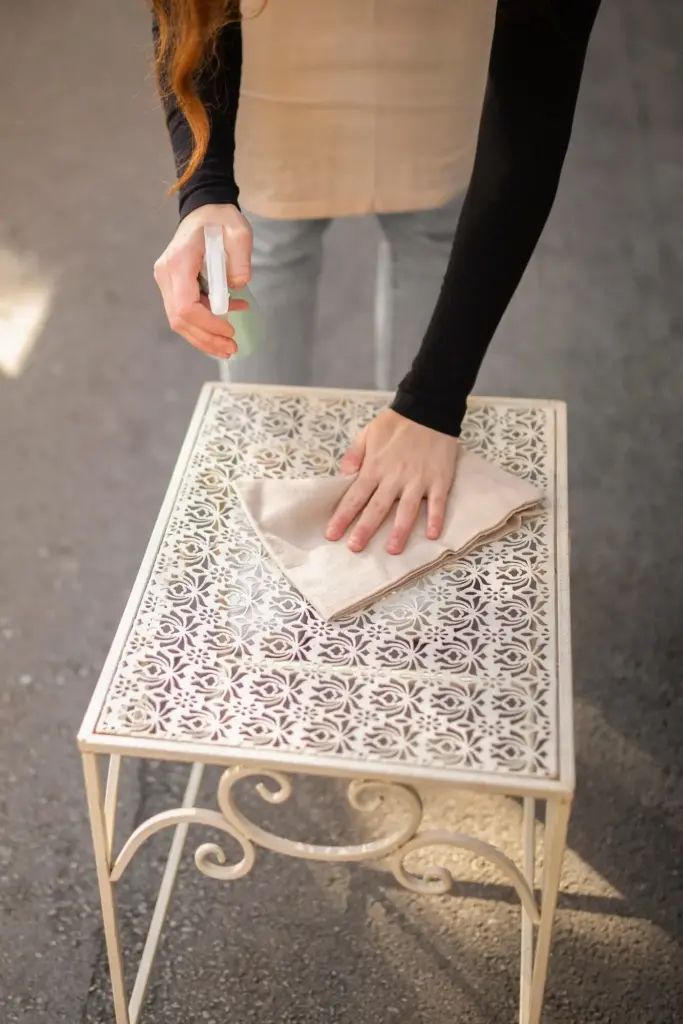
Support fabric fully so wet areas never fold onto themselves. Use two clean dowels to roll printed sections loosely while exposing the next area. Place parchment sheets as insurance under fresh rows. Recruit a helper for moving panels, or work in stages over consecutive evenings to maintain immaculate surfaces.

Vertical Repeats, Alignment, and Registration
Create a cardboard or acetate template with crosshairs and spacing marks, then tape it beneath translucent fabric or lay it beside opaque cloth as a guide. Reference edges, not stretch-prone centers. Check alignment every three impressions, adjusting pressure first before touching ink load to prevent creeping shapes.

Style Stories and Real-Home Inspiration

Printmaking thrives when connected to daily life. Here are lived-in ideas drawn from small apartments and sunny studios, showing how hand-stamped cloth adds personality without shouting. Each story emphasizes practical choices, approachable palettes, and durable construction, encouraging you to post photos, ask questions, and cheer others experimenting alongside you.
Partibersatusabah
Privacy Overview

This website uses cookies so that we can provide you with the best user experience possible. Cookie information is stored in your browser and performs functions such as recognising you when you return to our website and helping our team to understand which sections of the website you find most interesting and useful.